
Characters and their clothing
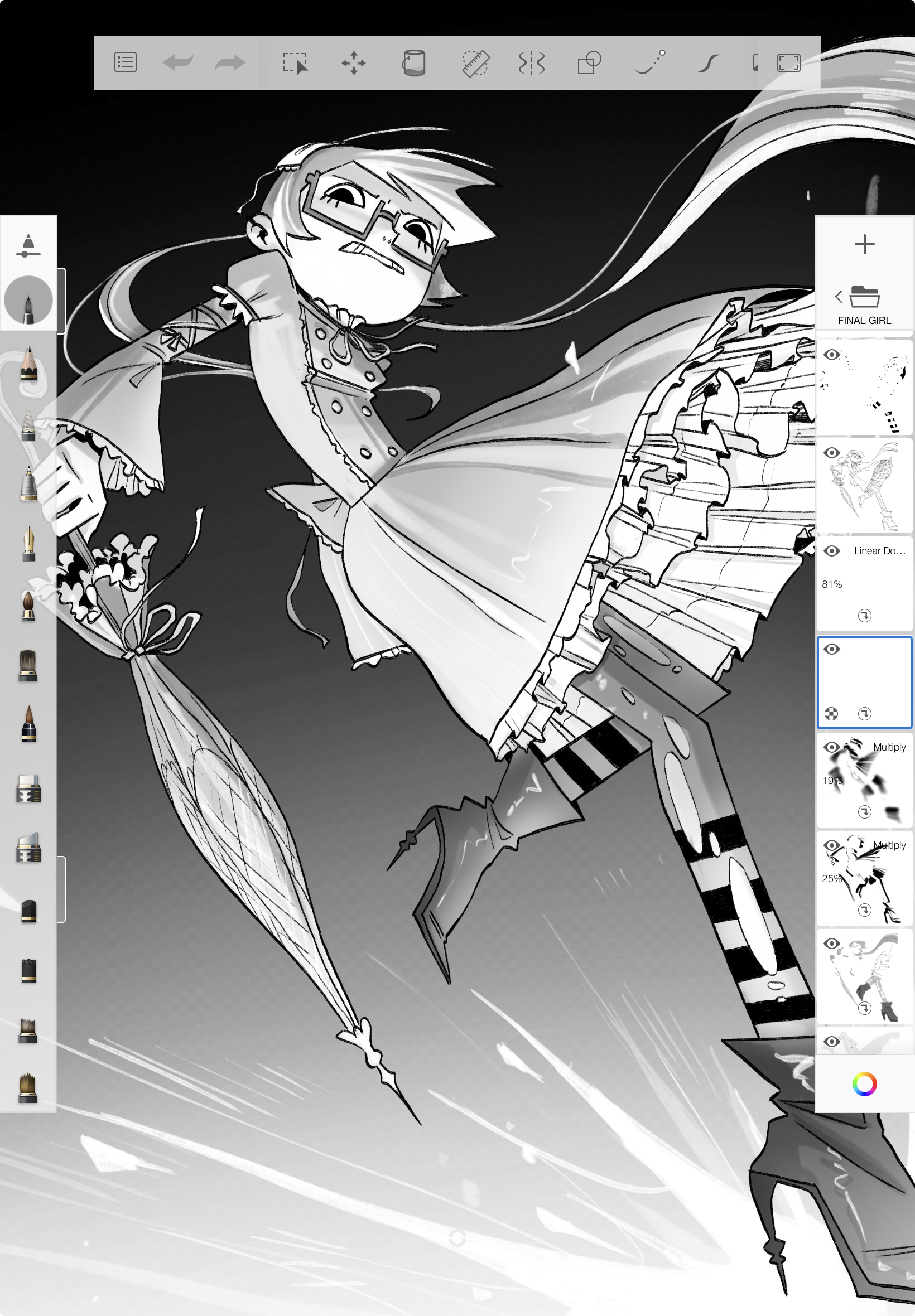
Images courtesy Tiffany Jin
When designing characters, their clothes are as important as facial features and hair styling. What they wear gives valuable insight into who they are, what they do, and even hints at their attitude.
Here, we’ll recap some of the thinking that goes into a character’s outfit as well as some useful tips when drawing soft materials.
Sketches
Use initial sketches to explore the overall character. Try to capture their personality inclusive of their posture, attire and the props they have.
Keeping them loose and rough. This helps to cover a lot of ground and also keeps you from falling in love with one design too quickly.
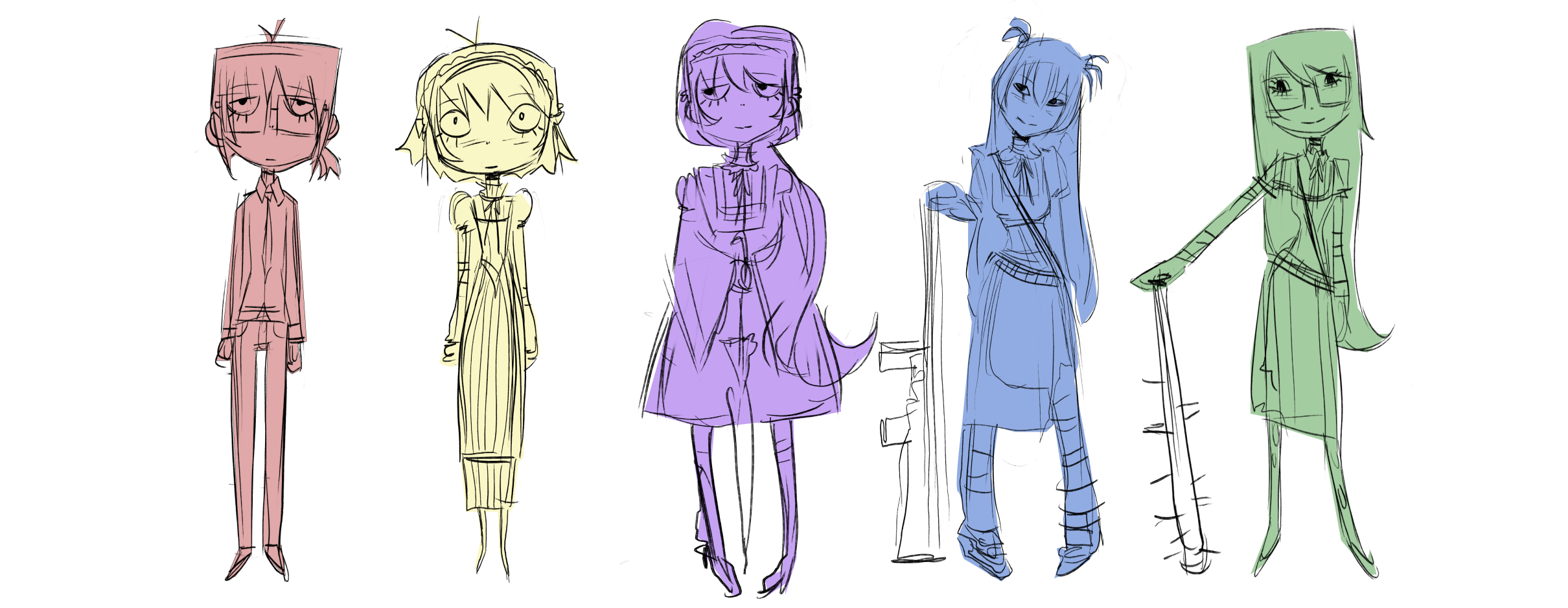
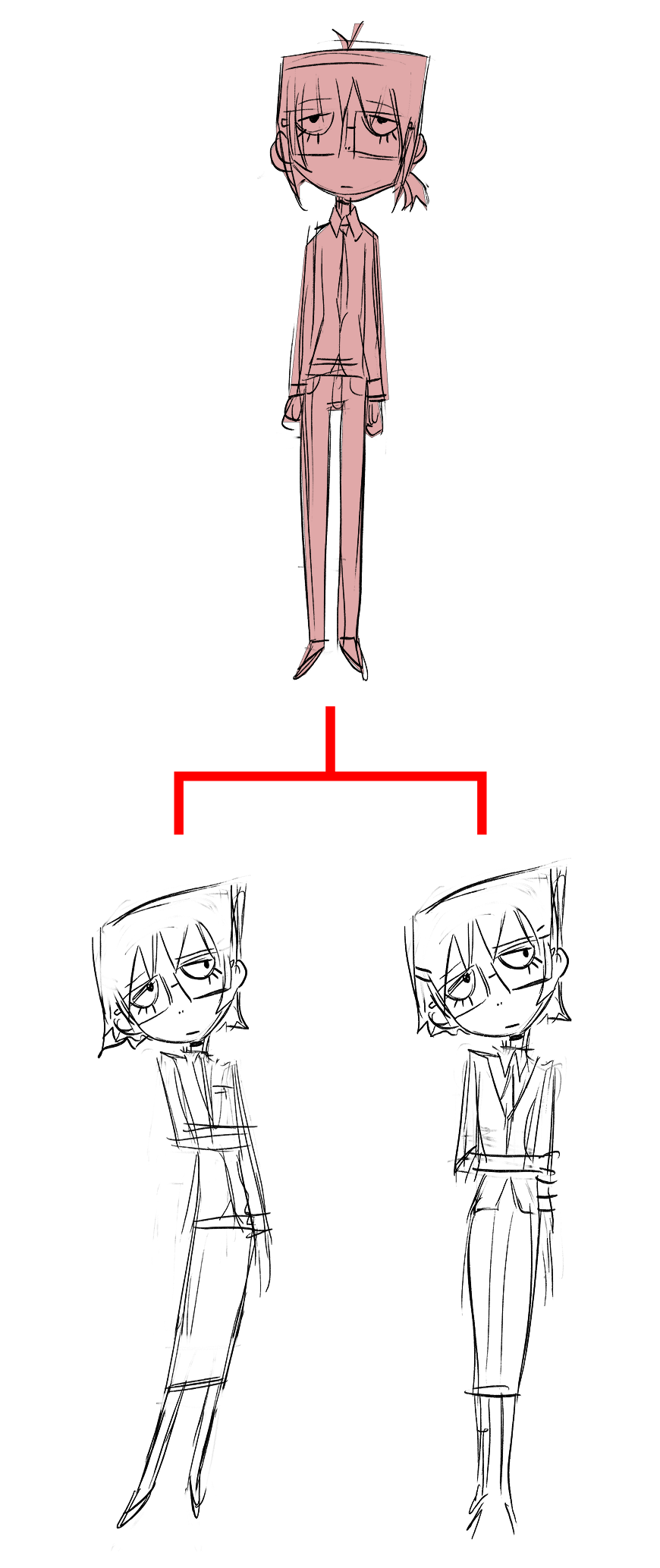
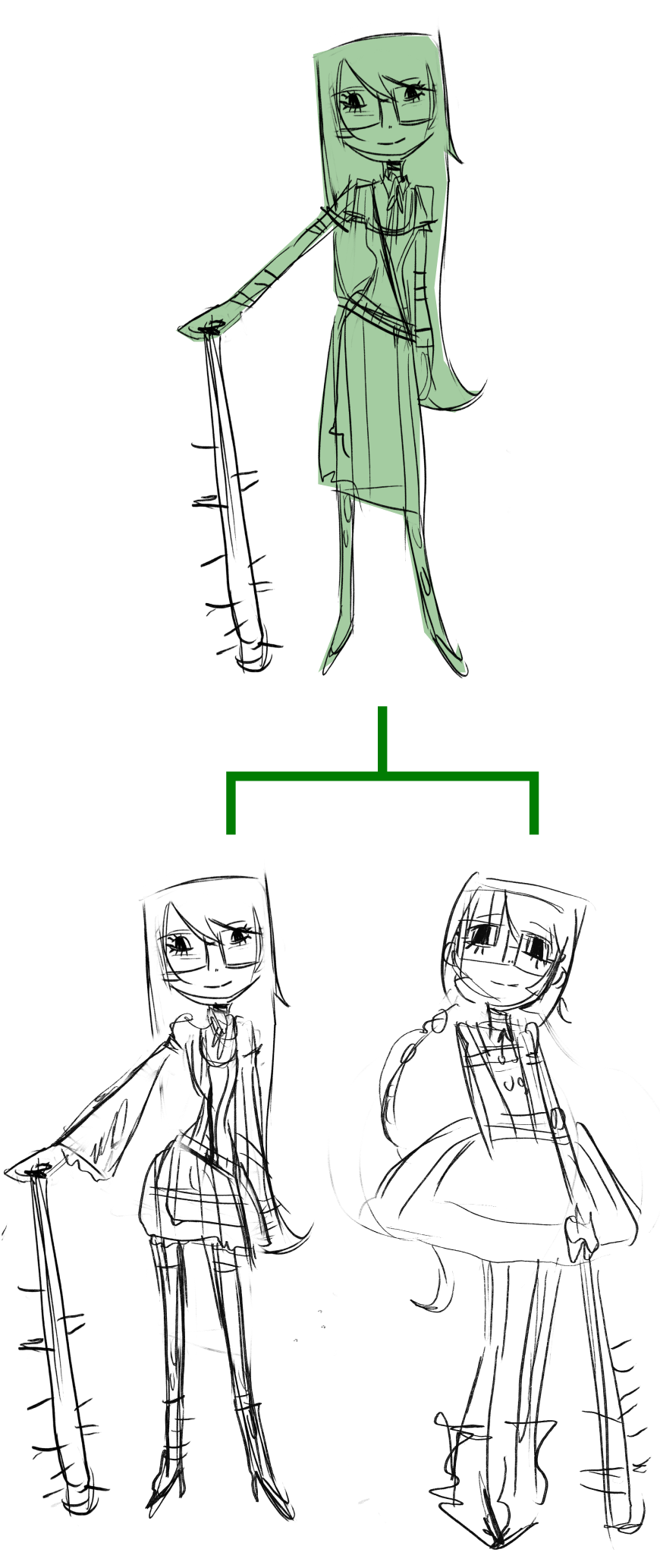
When you organize your sketches by layers or groups, it’s easy to expand on any design direction by duplicating the layer and simply erasing out and redrawing in new elements.
Experiment with the character’s personality. Think about the time period they are in, fantasy vs reality, and even their occupation when looking for inspiration from references.
Silhouettes
Silhouettes are powerful way to visualize your characters. When you look at them in this simple way, you see how everything comes together; their hair, clothing, and even how they carry themselves.
Design an interesting and clear silhouette. This helps to determine the shape language — round/soft vs sharp/harsh.

Pose the clothes
When you plan your scene and pose, go beyond what the character is doing and try to factor in what their hair and clothes are doing too.
Is their outfit brand-new or is it old and tattered?
Is it made of special materials, like armor or heavy layers of fabric? Does it affect their flexibility or movement?
If their clothes are wet, how does that affect how they look? How does it affect how the character feels?
Your character’s clothing can do so much more than keep your character dressed. Whether used as extensions of personality, clues to circumstances, or to visually express dramatic motion, costumes can amplify your composition and reinforce the story you are trying to tell.
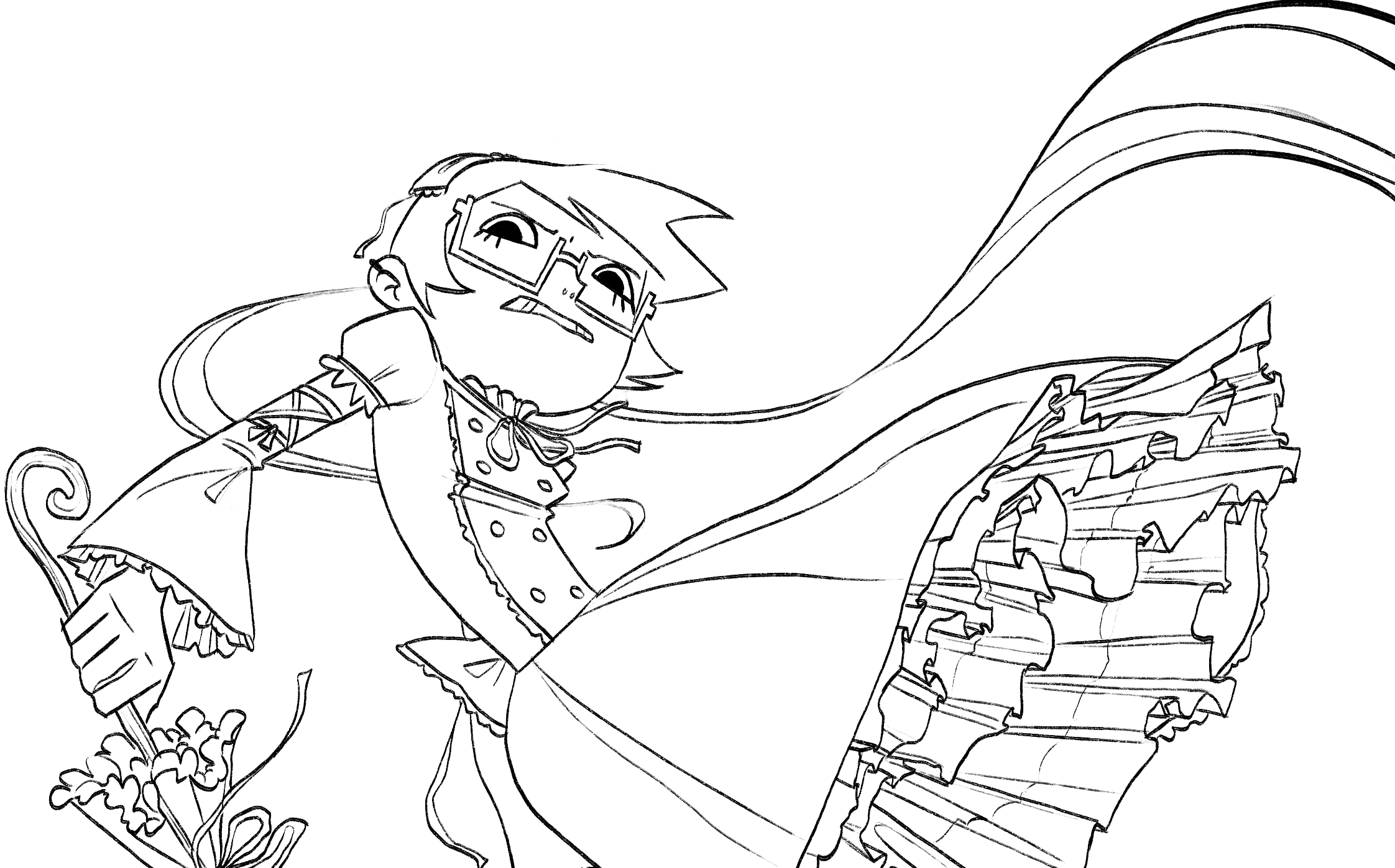
Useful tips for drawing fabrics & soft materials
Use plenty of references!
Observing from real life and from images is the best way to learn how different materials look, drape, fold and move. Even when you get good at it, there will always be new materials or conditions that can motivate you to do a bit of research.
Think of the human form in terms of cylinders
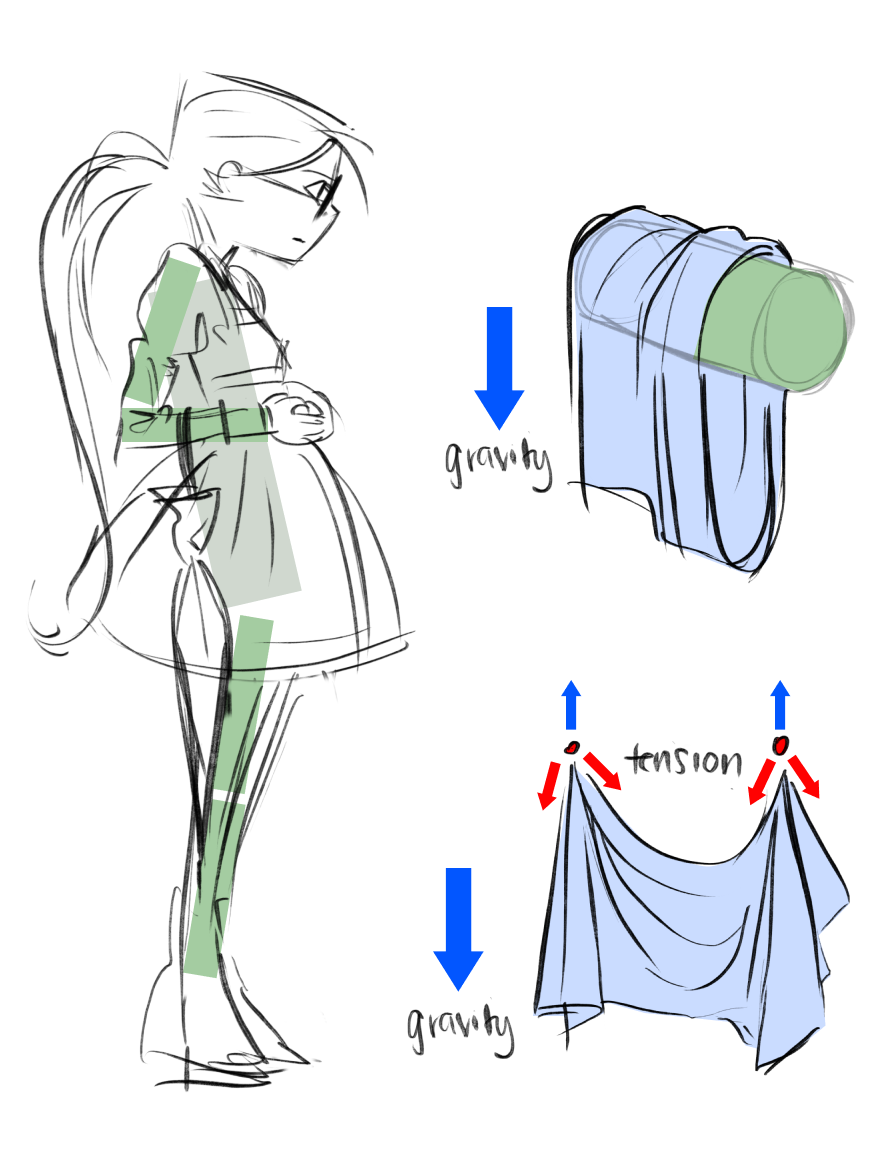
Fabric hangs with gravity and folds from tension points.
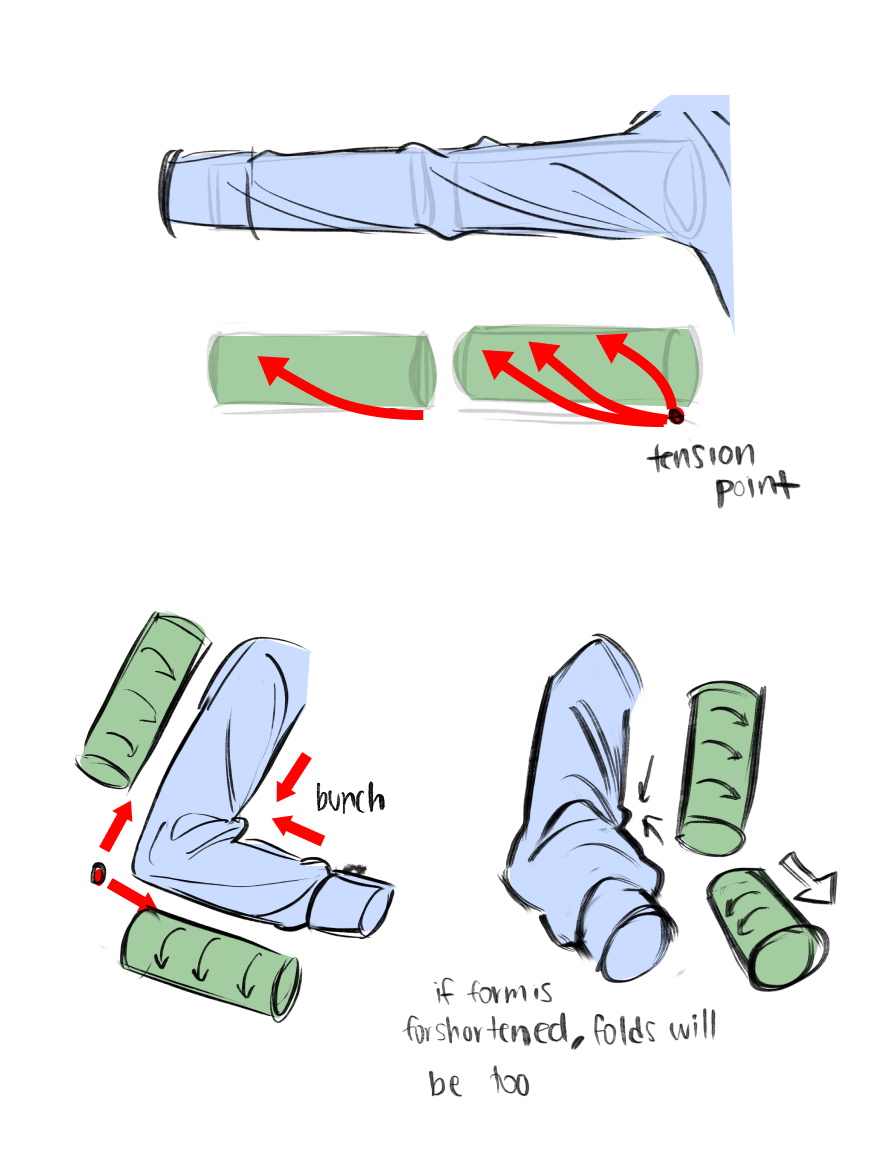
Points of tension create folds, creases, stretching, and bunching.
Simplify into shapes
Break down articles of clothing into shapes that are easier to understand.
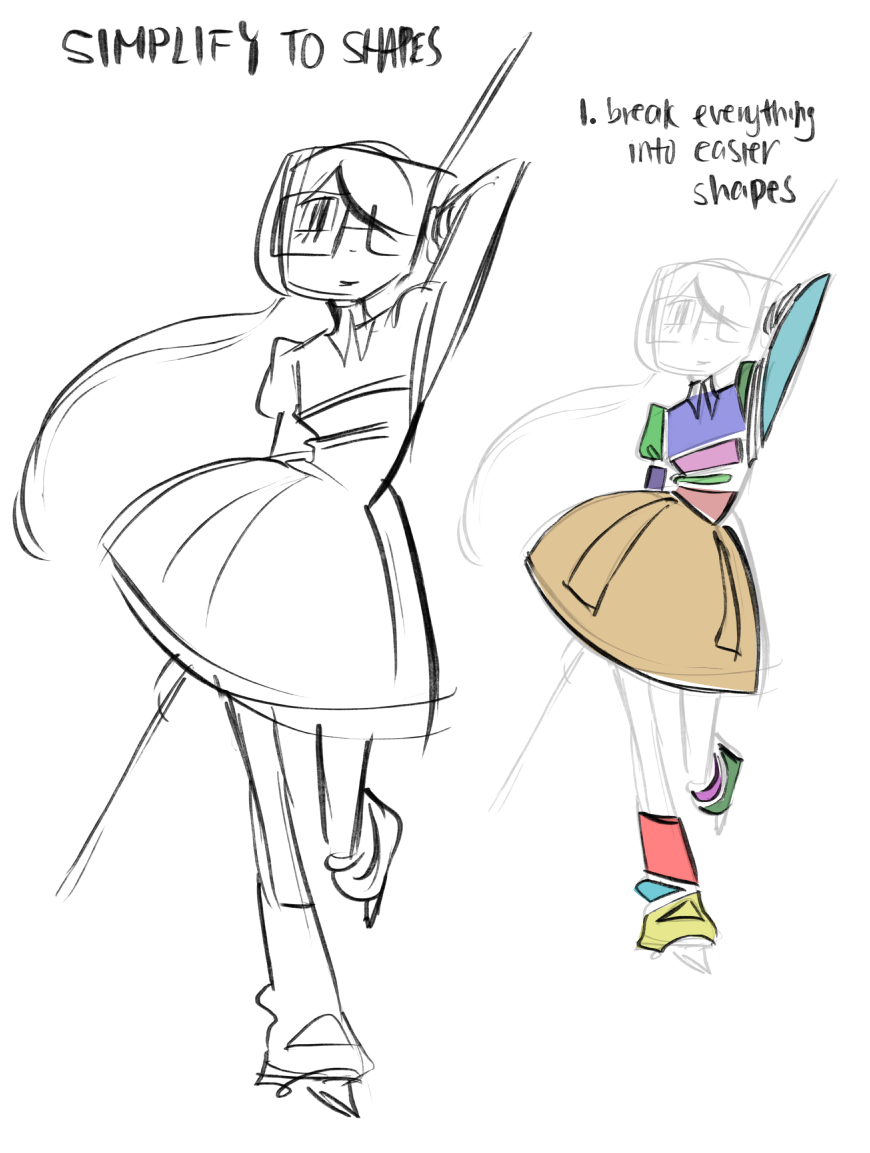
Simplifying clothing into shapes (instead of outlines) on a character pose makes it easier to analyze.
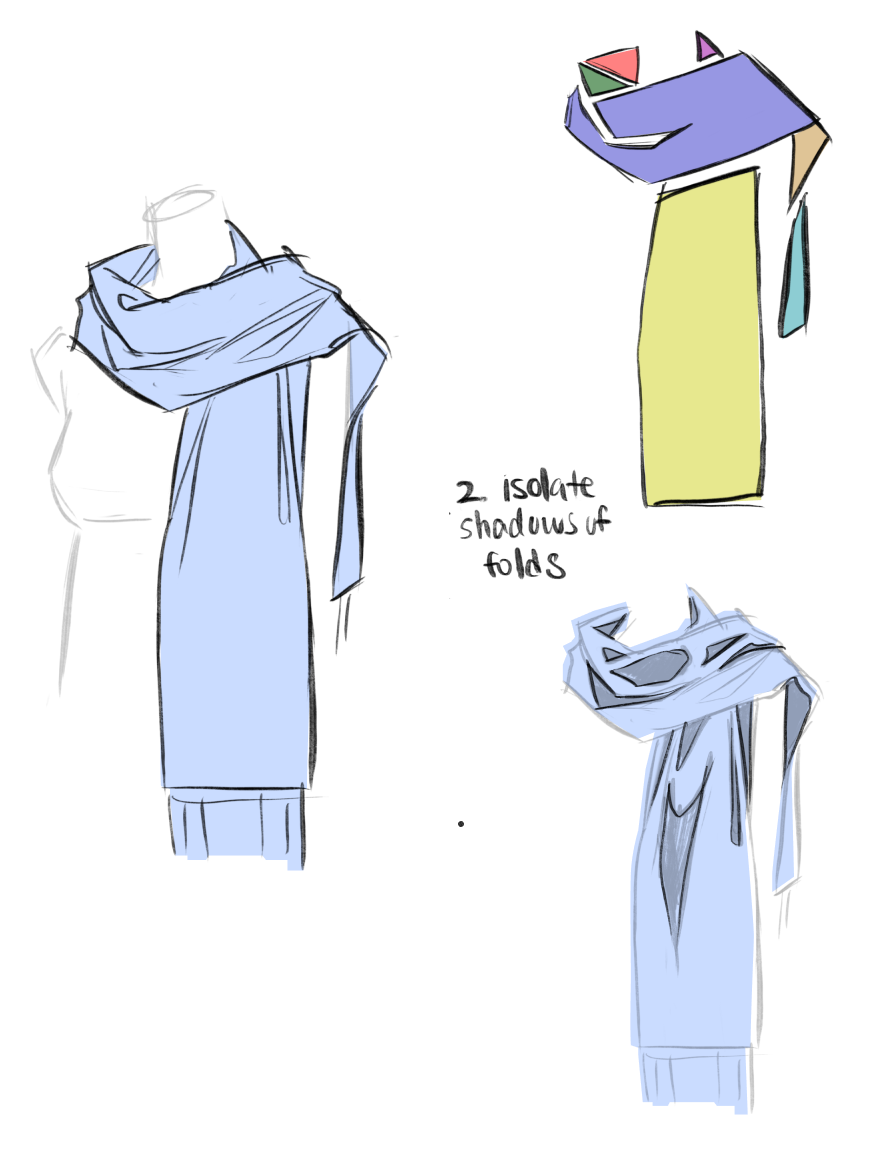
From each shape, identify the points of tension to guide your folds.
Motion
In addition to gravity, points of tension and environmental conditions (like wind), factor in other dynamic motions that would influence how the fabric behaves.
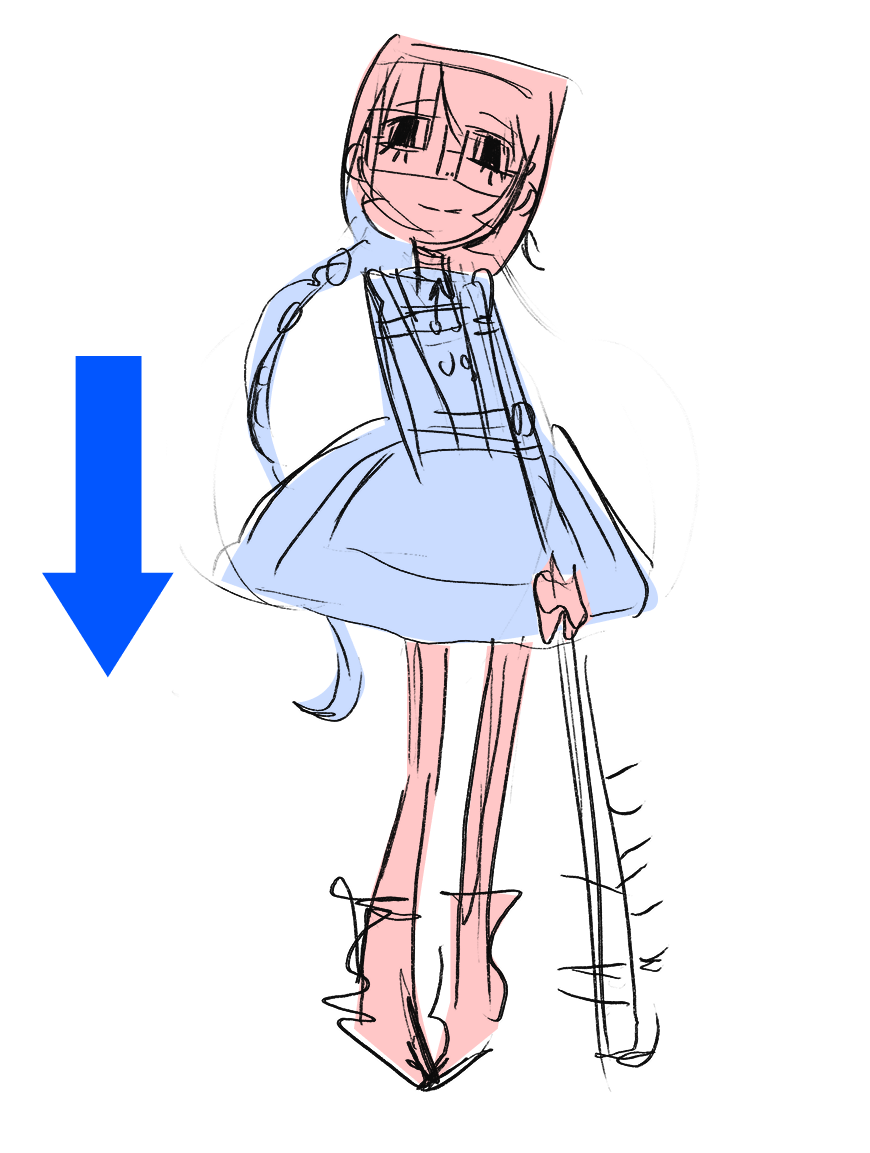
Static pose - clothing hangs with gravity.
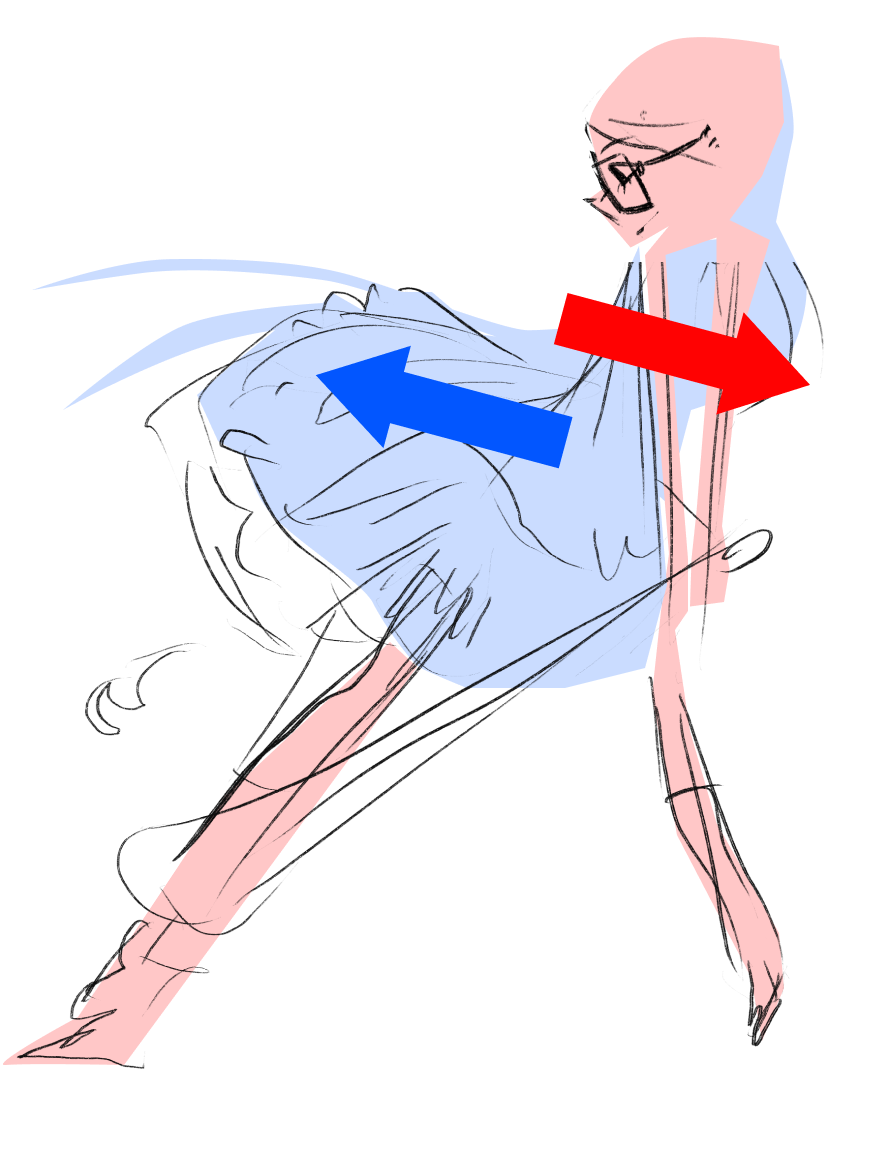
Fabric will flow in the opposite direction of a character’s movement.
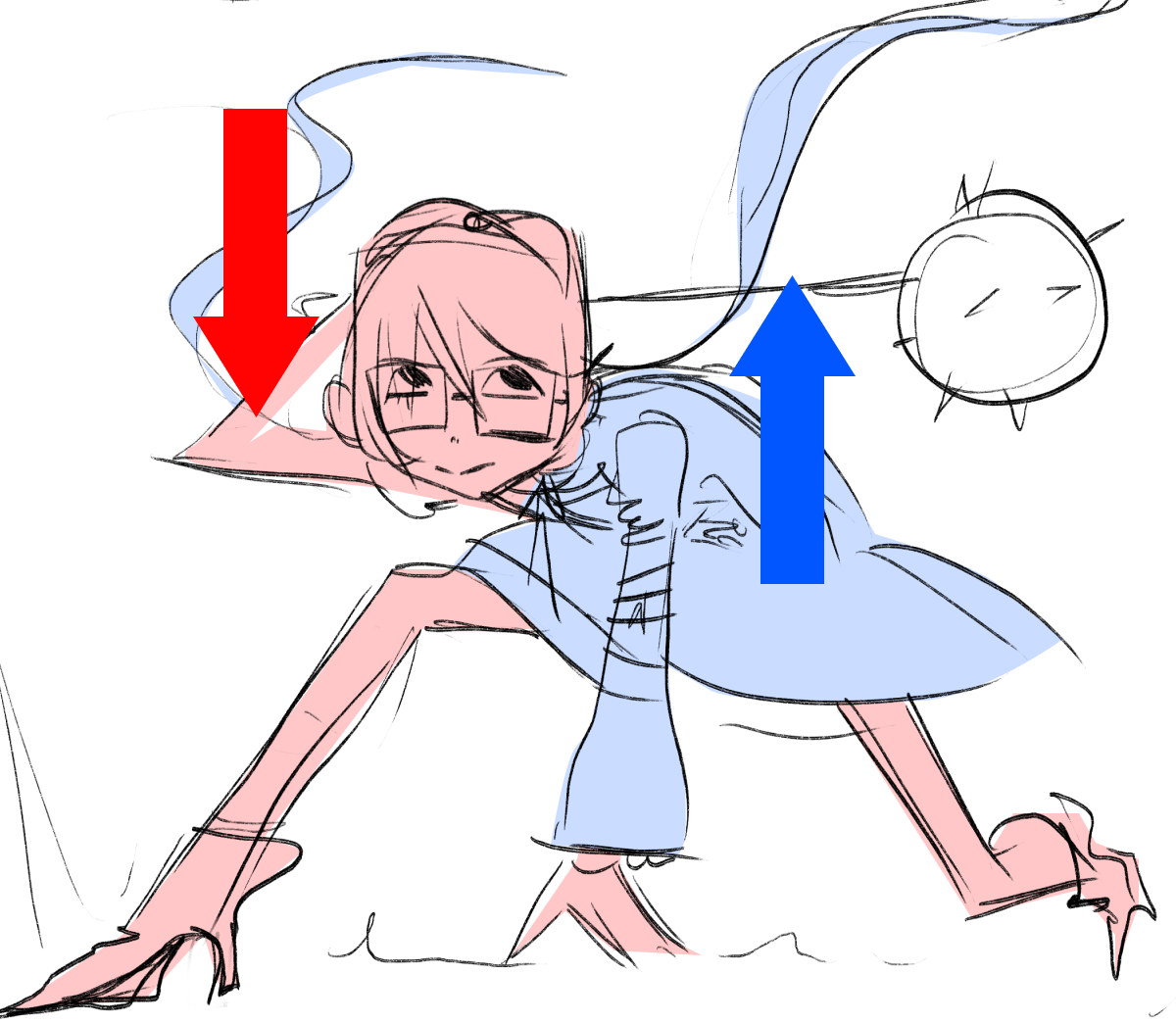
Crouching down action.
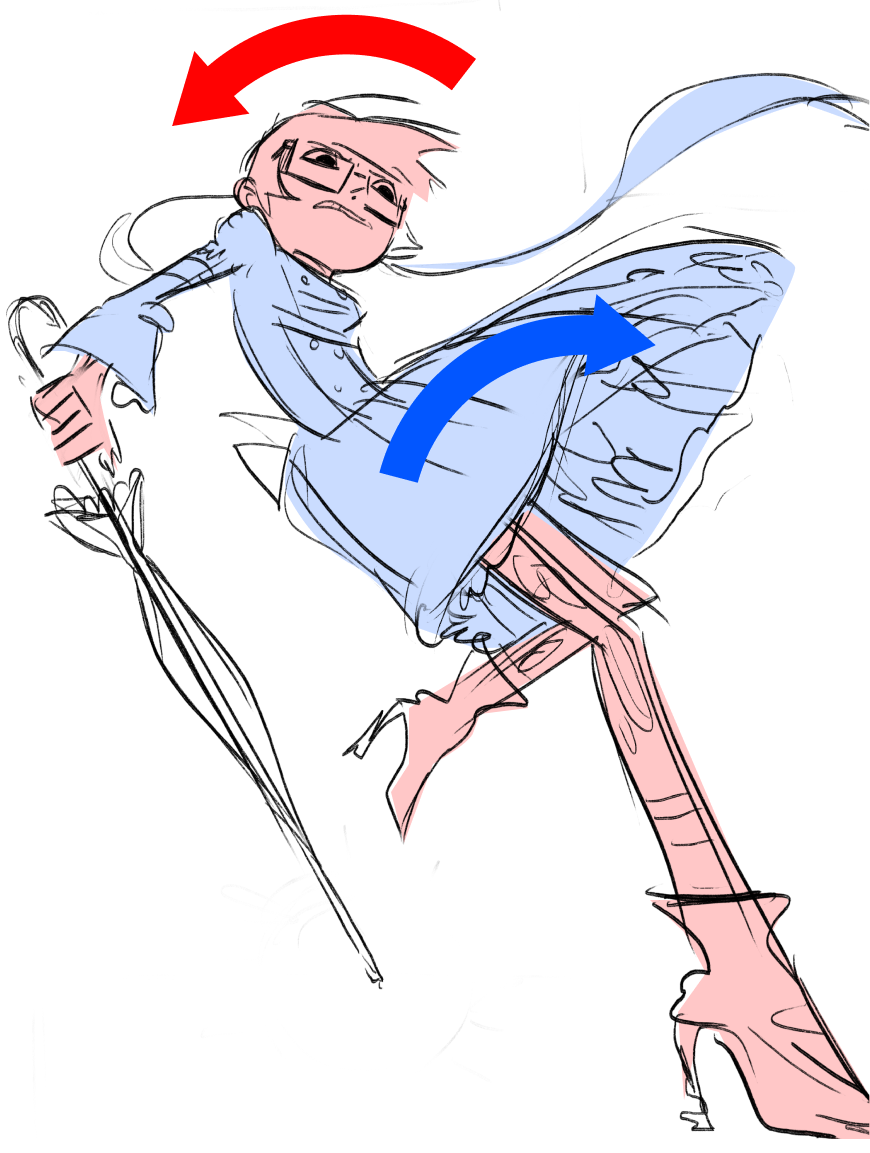
The final action pose.